
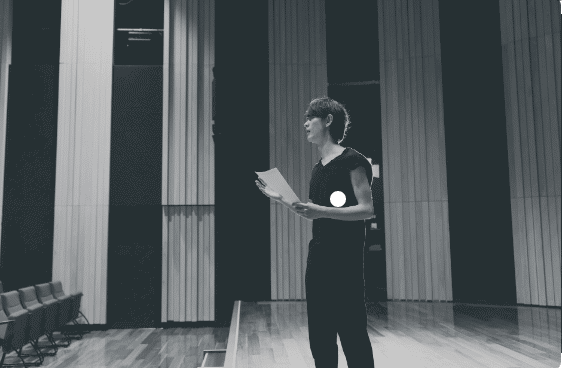
Auditioning for a high school drama program in New York City is an exciting and nerve-wracking experience. One of the most important components of your audition is selecting your monologue. Your choice will showcase not just your abilities, but your understanding of the character, the play, and your ability to engage with the material. So, how do you select the perfect monologue that will impress the panel and give you the best chance at success? Follow these five essential steps:
- Choose a Monologue That Brings Out Who You Are
The first rule of thumb when picking an audition monologue is simple: it should reflect who you are as a person. A great monologue feels authentic, like it comes from you. It should resonate with your personality, strengths, and emotional range.
When you read through potential pieces, ask yourself, Can I connect with the character’s situation? Does it feel like something I could realistically express? If you’re able to embody the character and make the piece your own, you’re already on the right path.
If the monologue is in a style or tone that doesn’t resonate with you, you’ll have a harder time performing it convincingly. Instead, seek out pieces that let your natural voice shine, whether it’s dramatic, comedic, or somewhere in between.
- You Can Connect to the Character’s Needs
Every character in a play is driven by something — a need, a goal, a desire. Similar needs drive all people: to be loved, to be appreciated, to feel supported. These needs serve as your means to achieve a deep connection through a monologue. Many actors mistakenly believe they need to focus on finding circumstances that resonate with them. However, how many circumstances can an 8th grader realistically connect to from published plays? Uta Hagen brilliantly teaches how to connect to a character’s needs through what she calls substitution. Finding a monologue that allows you to tap into real needs from your own life will help you bring your whole self to the work.
- The Character is Urgently Pursuing Their Objective (High Stakes)
There should be a lot at stake for your character. Monologues that involve high stakes — where the character is desperate to achieve their goal and is facing significant consequences — tend to make the most impact. When the stakes are high, it drives the intensity and energy of your performance, keeping the audience on the edge of their seat.
Think about a moment in a play where the character’s world is on the line. They may be struggling with love, identity, survival, or an impossible decision. The urgency of this pursuit will allow you to showcase both vulnerability and strength, giving the audition panel a glimpse of your versatility as an actor. Be sure to find a monologue that forces you to work with a sense of urgency.
- Pick an Age-Appropriate Monologue
Your monologue must fit your age and maturity level. Choosing a piece where the character is far removed from your own age or life experience can make it hard to create an authentic performance. No one wants to see an eighth grader do a monologue about their dead husband. I’ve seen it. Trust me.
While it’s tempting to select a mature or complex character, you must be mindful of what you can realistically embody. If you’re auditioning for a high school program, it’s a good idea to choose a monologue for a character around your age or slightly older, depending on the material. This parameter will allow you to connect with the character’s emotional world and physicality fully.
Choosing an age-appropriate monologue doesn’t mean it needs to be simple or unchallenging. You can still explore deep, nuanced characters, but make sure it’s within your grasp to play them truthfully.
- Select a Monologue from a Published Play (Not a Monologue Book or Film)
When preparing your audition, choose a monologue from a published play. Some years, high schools will accept monologues from film or TV, but in general, it’s safer to pick material from live theater. The beauty of a published play is that it’s written with the unique demands of live performance in mind, and that can make a big difference in the way it translates in performance. Speech drives the action in plays. In film the action, is driven by behavior. Selecting an audition monologue from a play sets you up to be performing in a more appropriate medium.
Choosing the right audition monologue is a critical step in preparing for your NYC high school drama audition. By following these five guidelines — ensuring the piece reflects who you are, connecting with the character’s needs, embracing high stakes, choosing an age-appropriate role, and picking material from a published play — you’ll be on your way to putting your best foot forward for New York performing arts high school auditions.
Learn More About DGS:
Are you looking to take your singing or acting to the next level? Contact us now for your first complimentary assessment lesson.
The Danny Greenberg Studio is a professional performing arts studio for children aged 5 to 18 in New York (Brooklyn and Manhattan!) and online, focusing on vocal and acting training.
Our students star annually in numerous Broadway shows, national tours, and feature films. Our studio welcomes students of all levels between 6 and 18 to foster their love of performing. Once they’re ready, we also help connect students to top agents and casting directors.
Since our debut, we have focused on three values: children, crafts, and community. Our students develop professional techniques and valuable skills they use inside and outside the studio. We help prepare our students for professional success and make personal impacts through charity cabarets and fundraisers.
We provide private lessons in-person and online in singing, acting, audition coaching, industry professional workshops, showcases, musical theater classes, and admissions prep with curriculums tailored to each child’s needs so they can build their self-confidence. Each year, we coach students for DOE High School auditions, and they consistently get into Laguirdia, Frank Sinatra, and PPAS. We teach acting, singing, and dancing lessons in midtown Manhattan, Greenpoint, and Park Slope Brooklyn. Zoom lessons are also available. Contact us for more information on the admissions process